
 By
By Bitcoin Price History: Understanding BTC’s Major Fluctuations in the Last 5 Years (2020–2025)
Created by: Editor
Bitcoin (BTC) has remained the most discussed cryptocurrency since its creation, but its price journey over the past five years has been a rollercoaster. From record highs to dramatic crashes, understanding Bitcoin’s fluctuations helps both beginners and investors make smarter decisions.
1. Bitcoin in 2020: The Pandemic Shock and Recovery
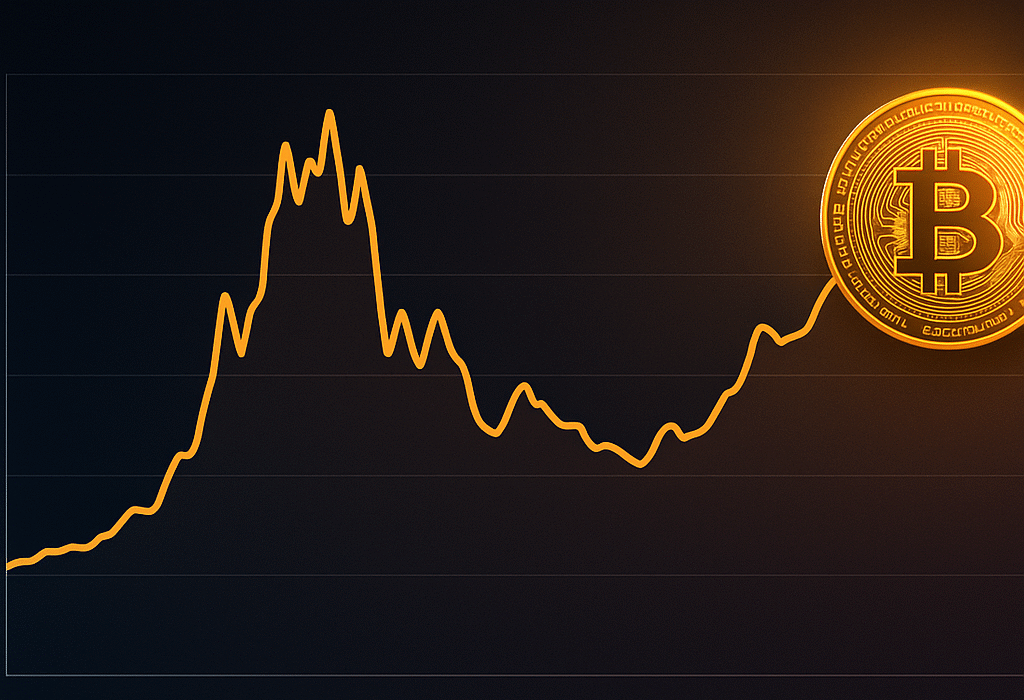
In early 2020, Bitcoin was trading around $7,000–$9,000. When global markets crashed during the COVID-19 pandemic in March 2020, BTC briefly fell below $4,000. However, the massive stimulus packages and rising inflation fears drove investors toward digital assets. By December 2020, Bitcoin broke past $28,000 — setting the stage for a historic bull run.
2. Bitcoin in 2021: The All-Time High Year
2021 became one of Bitcoin’s most memorable years. Institutional adoption from companies like Tesla, MicroStrategy, and Square boosted confidence. In April 2021, BTC hit an all-time high near $64,000. Later that year, after a correction, it surged again in November 2021 to around $69,000. This was the peak of Bitcoin’s 2021 bull market.
3. Bitcoin in 2022: The Crypto Winter
After record highs, Bitcoin entered a tough year in 2022. Global inflation, rising interest rates, and the collapse of major crypto platforms like Terra/LUNA and FTX caused a market crash. BTC’s price fell below $16,000 by the end of 2022 — a drop of nearly 75% from its peak.
4. Bitcoin in 2023: The Slow Recovery
In 2023, Bitcoin started to recover as investors regained confidence. Regulatory clarity in the U.S. and other markets improved sentiment. The average price ranged between $25,000–$35,000, with renewed optimism ahead of the next halving event.
5. Bitcoin in 2024: The Halving and Renewed Interest
Bitcoin’s fourth halving event occurred in April 2024, cutting block rewards from 6.25 BTC to 3.125 BTC. Historically, halving events reduce supply and spark bull cycles. BTC gradually climbed above $45,000 by late 2024 as investors anticipated a new rally.
6. Bitcoin in 2025: New Highs and Market Maturity
By 2025, Bitcoin reached a new record high above $80,000 amid growing institutional adoption, ETF approvals, and integration with traditional finance systems. Volatility remains, but Bitcoin is now seen as a legitimate asset class for portfolio diversification.
7. Key Factors Behind BTC Price Fluctuations
- Market Sentiment: News, social media trends, and investor psychology drive sharp moves.
- Institutional Adoption: Major companies buying BTC boost long-term confidence.
- Regulations: Government policies can either create uncertainty or stability.
- Halving Events: Reduced supply every four years impacts scarcity and price.
- Global Economy: Inflation rates, interest policies, and global crises affect demand.
8. BTC Price Summary (2020–2025)
| Year | Approx. BTC Price Range (USD) | Key Events |
|---|---|---|
| 2020 | $4,000 – $28,000 | Pandemic crash and recovery |
| 2021 | $29,000 – $69,000 | Institutional adoption, ATH |
| 2022 | $15,000 – $30,000 | Crypto winter, exchange collapses |
| 2023 | $25,000 – $35,000 | Market recovery and regulation |
| 2024 | $35,000 – $45,000 | Halving event, rising demand |
| 2025 | $50,000 – $80,000+ | ETF approvals, institutional expansion |
Final Thoughts
Bitcoin’s past five years highlight both its volatility and its growing maturity. For new investors, this history serves as a reminder: BTC’s price can swing dramatically, but long-term trends have favored growth. Understanding the factors that drive these moves helps you stay calm and make smarter decisions in your crypto journey.
Tip: Always research before investing and consider diversifying your portfolio. You can start your crypto journey easily using Coinbase — a beginner-friendly exchange.
Category: Bitcoin | Cryptocurrency Market Analysis
Created by: Editor